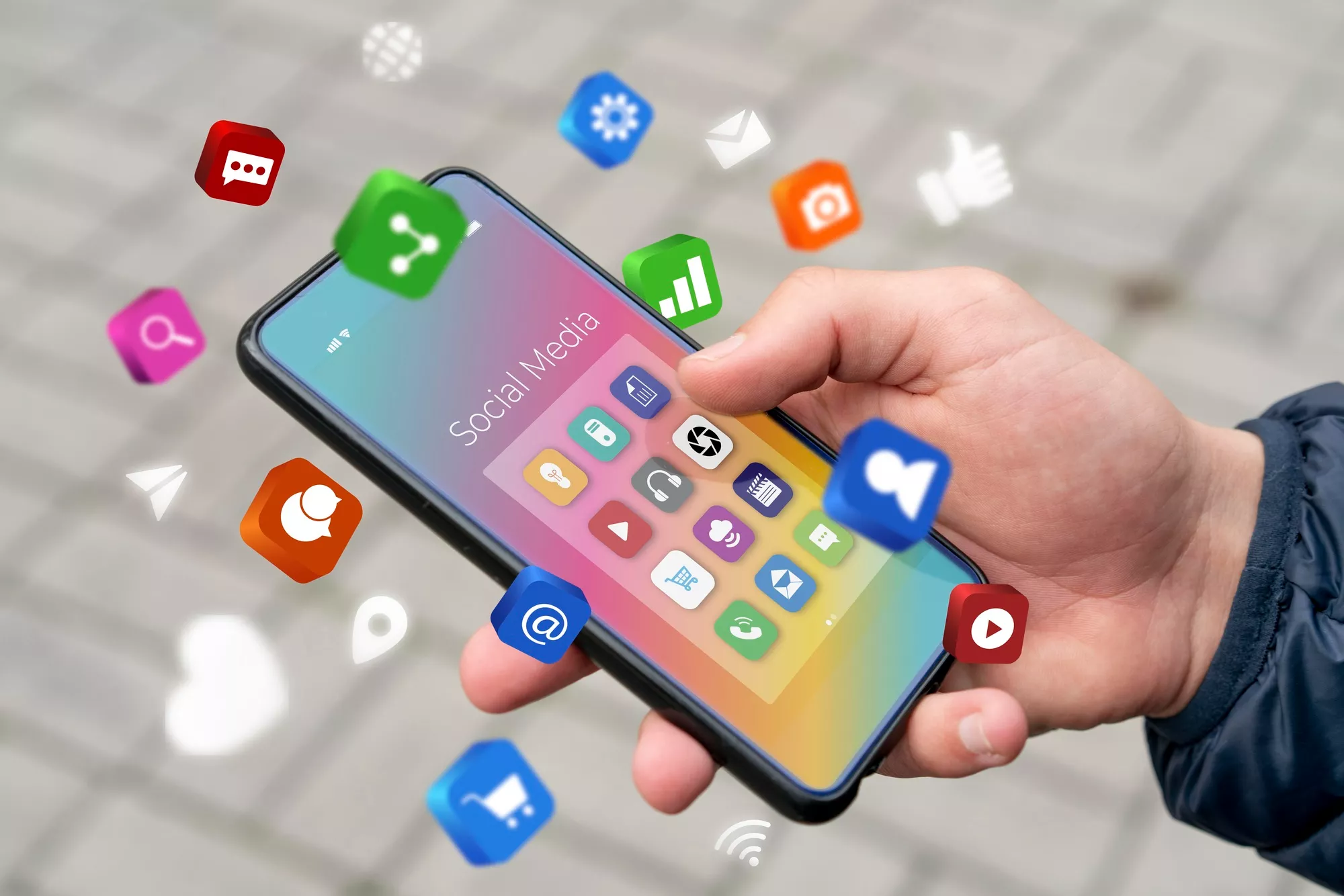

Digital marketing is changing faster than ever. In 2026, businesses are no longer competing only for Google rankings or social media followers. They are competing for visibility across search engines, AI platforms, social networks, and increasingly personalized digital experiences.
Artificial intelligence, AI-powered search, short-form video, social commerce, personalization, and authentic content are becoming major parts of successful marketing strategies. According to HubSpot’s 2026 State of Marketing report, AI-powered personalization, automation, brand-value-driven content, adapting SEO to search changes, and content repurposing are among the leading marketing priorities this year. (HubSpot Blog)
So, what should businesses focus on in 2026?
1. AI Is Becoming a Core Marketing Tool
Artificial intelligence is no longer simply an experimental technology. Businesses are using AI to create content, analyze customer behavior, personalize campaigns, automate repetitive tasks, and improve marketing efficiency.
AI can help marketers identify customer interests, generate content ideas, analyze campaign performance, and create personalized experiences at scale. However, businesses should not depend entirely on AI-generated content. Human creativity, brand personality, expertise, and fact-checking remain essential.
The winning approach in 2026 is not AI versus humans, but AI plus human creativity.
2. SEO Is Expanding Into AI Search
Search behavior is changing. People are increasingly asking AI tools conversational questions instead of relying exclusively on traditional search results.
This means businesses need to think beyond traditional SEO. Answer Engine Optimization (AEO) and Generative Engine Optimization (GEO) are becoming increasingly relevant as marketers try to make their brands visible in AI-generated answers. HubSpot reports that 40.6% of marketers identify adapting SEO to search changes as a major trend in 2026. (HubSpot Blog)
Businesses should therefore create useful, authoritative, well-structured content that directly answers customer questions.
3. Short-Form Video Continues to Dominate
Short-form video remains one of the most effective ways to capture attention online. Platforms such as Instagram, YouTube, and other social networks are increasingly built around video discovery.
Businesses can use short videos for:
- Product demonstrations
- Educational content
- Customer testimonials
- Behind-the-scenes content
- Tips and tutorials
- Brand storytelling
The key is not simply producing more videos. Businesses need to create content that is relevant, useful, authentic, and easy to consume.
4. Social Media Is Becoming a Search and Shopping Channel
Social media is no longer just a place to post updates. Consumers increasingly use social platforms to discover products, research brands, communicate with businesses, and make purchasing decisions.
HubSpot’s 2026 research highlights social media as one of the most important marketing channels, with Instagram becoming the most leveraged platform among brands surveyed. (HubSpot Blog)
For businesses, this means social media strategies should combine content, community engagement, customer service, and conversion opportunities rather than focusing only on follower growth.
5. Personalization Will Matter More
Customers expect brands to understand their needs. Generic advertising and one-size-fits-all content are becoming less effective.
Personalization can include:
- Customized email campaigns
- Personalized product recommendations
- Audience-specific advertisements
- Location-based content
- Tailored website experiences
- Relevant offers based on customer behavior
AI and automation make it easier for businesses to personalize marketing while reaching larger audiences.
6. Authenticity Will Beat Overproduced Content
AI makes it easier than ever to produce large amounts of content. As a result, audiences may become less interested in content that feels generic or artificial.
Authentic customer stories, expert opinions, original experiences, testimonials, and behind-the-scenes content can help businesses stand apart.
In 2026, the goal should not be to publish the most content. It should be to publish content people trust and remember.
7. Businesses Need a Multi-Channel Strategy
Customers rarely follow a single path from discovery to purchase. Someone may discover a business through Instagram, search for reviews on Google, visit its website, watch a video, and finally contact the company through messaging.
Therefore, businesses need consistent messaging across multiple channels.
A strong strategy can combine:
SEO + AI Search + Social Media + Video + Email + Paid Advertising + Content Marketing
Each channel should support the others instead of operating independently.
How Businesses Can Prepare for 2026
Businesses don’t need to adopt every new trend at once. Instead, they should focus on the channels that match their audience and business goals.
Start by reviewing your existing digital presence. Identify where your customers discover your business, which content generates engagement, and which marketing activities generate actual leads or sales.
Then:
- Improve your website and SEO.
- Create useful content designed around customer questions.
- Experiment with AI while maintaining human oversight.
- Invest in short-form video.
- Build an active social media presence.
- Personalize communication where possible.
- Track conversions, not just likes and impressions.
- Regularly update your marketing strategy as search and platform behavior changes.
Final Thoughts
Digital marketing in 2026 is not about chasing every new trend. It is about adapting to how customers discover, evaluate, and interact with businesses.
AI is changing search and marketing workflows, social media is becoming a powerful discovery and commerce channel, and consumers continue to value useful and authentic content. Businesses that combine technology with human creativity and customer-focused strategies will be better positioned to grow.
The future of digital marketing is smarter, more personalized, more conversational, and more human.
Businesses that start adapting now can turn these changes into opportunities rather than challenges.